Building a brand is more than just creating a logo and a website; it’s about defining your startup’s soul and how it connects with your audience.
For new businesses, a strong brand identity is a non-negotiable asset, not a luxury. In today’s crowded market, standing out requires a strategic, deliberate approach.
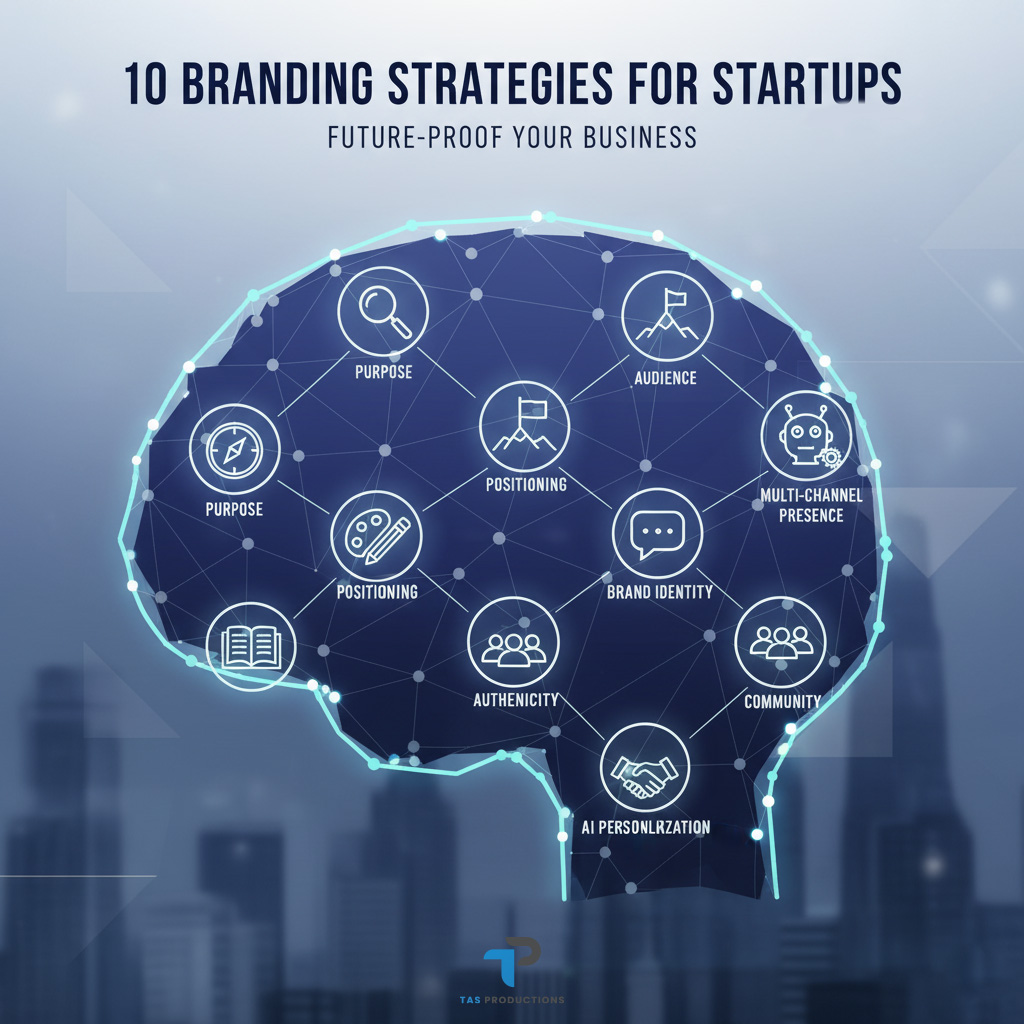
This guide covers ten essential branding strategies for startups to help you build a memorable and enduring brand in 2026.
Let’s get started.
1. Define Your Purpose and Core Values
Before you create anything, you need to know why your company exists. Your brand purpose is the “why” behind what you do, going beyond just making a profit.
Your core values are the principles that guide every decision. They are the bedrock of your brand identity and what will ultimately resonate with customers.
Think about what problem you’re solving and what you want to be known for. This clarity will inform your messaging and help you attract an audience that shares your values.
- Actionable Tip: Host a workshop with your founding team to articulate your mission, vision, and core values. Use frameworks like Simon Sinek’s “Start With Why” to get a strong sense of your brand’s purpose.
2. Know Your Audience (Inside and Out)
You can’t create a brand that connects with everyone. Effective branding strategies for startups always start with understanding your target audience.
Go beyond basic demographics like age and location. Dive into their psychographics: their fears, desires, lifestyle, and day-to-day problems.
What are their motivations for choosing a product like yours? What are their pain points?
The more you know, the more you can tailor your brand’s personality, messaging, and visual identity to them.
- Actionable Tip: Conduct surveys, interviews, and social media analysis. Create detailed customer personas that represent your ideal users. This will make it easier to make branding decisions that truly resonate.
3. Develop a Unique Brand Positioning
Brand positioning for new businesses is about carving out a unique space in the market and in the minds of your audience. It’s how you differentiate yourself from the competition.
Your positioning statement should clearly explain what your brand does, for whom, and why it’s better than the alternatives.
It’s not just a tagline; it’s a strategic choice that influences your product, pricing, and messaging.
- Actionable Tip: Analyze your competitors to identify gaps in the market. Is there an unmet need or a segment they are not serving? Position your brand to fill that void. For example, if competitors are formal and corporate, you might position your brand as friendly and approachable.
4. Craft Your Brand Identity and Visuals
Your brand identity for startups is the visual and verbal representation of your brand’s personality.
It’s one of the most prominent branding strategies for startups. This is where you bring your purpose and positioning to life.
It includes:
- Logo: A simple, versatile, and memorable logo is key.
- Color Palette: Colors evoke emotions. Choose a palette that reflects your brand’s personality (e.g., blue for trust, green for nature, red for energy).
- Typography: The fonts you use should be legible and consistent, setting the tone for your communication.
- Imagery: From photos to illustrations, your visual style should be cohesive and unique.
- Brand Guidelines: Create a style guide that documents all these elements. It ensures every team member stays consistent, no matter where they’re creating content.
5. Master Consistent Messaging and Tone of Voice
Your brand’s tone of voice is its personality in writing. It should be consistent across all platforms, your website, social media, emails, and even customer service responses.
Are you professional and authoritative? Playful and witty? Casual and friendly?
Consistency builds trust and makes your brand feel familiar and reliable.
- Actionable Tip: Write down a few adjectives that describe your brand’s personality. Then, create a few “do’s and don’ts” for your writing style. This helps ensure everyone on your team uses the same voice.
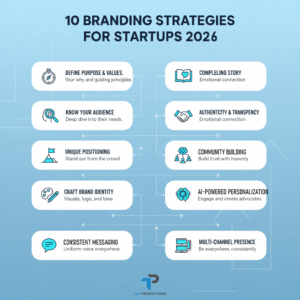
6. Create a Compelling Brand Story
People don’t just buy products; they buy stories.
A compelling brand story is one of the most effective branding strategies for startups that helps you connect with your audience on an emotional level.
It’s the narrative of your journey: why you started, the challenges you’ve overcome, and the people you’re helping.
This story makes your brand feel human and relatable, building a loyal community around your mission.
- Actionable Tip: Share your brand story on your “About Us” page, in social media posts, and through video content. Use behind-the-scenes content to show the real people and passion behind your business.
7. Embrace Authenticity and Transparency
In 2026, consumers, especially Gen Z, are more critical than ever. They want to support brands that are genuine and transparent.
This means being honest about your values, your product’s origins, and even your mistakes. Avoid “greenwashing” or empty promises.
Your actions must align with your words to build credibility and long-term loyalty.
- Actionable Tip: Be open about your business practices, whether it’s your supply chain or how you handle customer feedback. Respond to criticism with empathy and a commitment to improvement. This shows you’re a real business with a human touch.
8. Prioritize Community Building
Modern branding is no longer a one-way street. Building a community around your brand is one of the most powerful branding strategies for startups.
An engaged community drives organic growth, provides valuable feedback, and turns customers into brand advocates. This is about creating a space where your audience feels a sense of belonging and ownership.
- Actionable Tip: Use social media to ask questions, run polls, and feature user-generated content (UGC). Host live Q&A sessions or create a dedicated online group where customers can connect with each other and your team.
9. Leverage AI-Powered Personalization
The future of branding is hyper-personalization.
AI tools can help you analyze customer data to deliver tailored experiences, from personalized product recommendations on your website to customized email content.
This makes your brand feel like it truly understands each customer, building a deeper connection.
- Actionable Tip: Start small by using AI-powered tools to segment your email list and send targeted campaigns. This allows you to speak directly to different customer groups with relevant messages, increasing engagement and conversions.
10. Implement a Consistent Multi-Channel Presence
Your brand needs to be consistent everywhere your audience is. This includes your website, social media platforms, email marketing, and any physical touchpoints.
Establishing a consistent multi-channel presence is a crucial branding strategies for startups in 2026 and beyond.
While each platform has a different style (e.g., casual on TikTok, professional on LinkedIn), your core brand identity, your logo, colors, and tone of voice should remain consistent.
A fragmented brand experience creates confusion and erodes trust.
- Actionable Tip: Create a checklist to audit your brand’s presence across all channels. Ensure your profile photos, bio, and visual style are aligned. This simple step can have a huge impact on your brand’s perceived professionalism and reliability.
The Takeaway: Building a Brand That Lasts
Building a memorable brand isn’t a single action; it’s a continuous, strategic commitment to clarity, consistency, and connection.
For your startup to truly stand out in 2026, you must move beyond tactical marketing and focus on laying a genuine foundation.
The 10 branding strategies for startups outlined here, from defining your core purpose to leveraging AI personalization and embracing radical transparency, are your roadmap.
Your brand identity is your greatest asset. Treat it as the north star for every decision you make.
When you know your unique positioning and consistently communicate your authentic story, you don’t just survive in a competitive market; you create a category of your own.
Start today. Be deliberate, be consistent, and watch your new business evolve from a simple idea into an influential, enduring brand.
Read our other articles:
The Critical Importance of Brand Identity for Modern Business
Top 10 Effective Branding Strategies For Startups in 2026
Top 7 Web Development Trends 2026 You Must-Know
Custom Website vs Template? The Ultimate 2026 Guide
SEO for Small Businesses: The Ultimate 2026 Growth Guide