In the rapidly evolving digital landscape of 2026, simply “creating content” is no longer enough to move the needle. To truly capture attention and earn trust, businesses must pivot from sporadic posting to a comprehensive content marketing strategy.
Whether you are a startup or an established enterprise, the ability to deliver the right message to the right person at the right time is what separates industry leaders from the rest.
This guide explores how to build a sustainable content marketing strategy that doesn’t just generate clicks but fosters genuine community and measurable ROI.
Why a Content Marketing Strategy is Essential in 2026
The shift toward Answer Engine Optimization (AEO) and Generative Engine Optimization (GEO) has changed the way users consume information.
Search engines are no longer just lists of links; they are sophisticated systems providing direct answers. Consequently, your content marketing strategy must prioritize authority and clarity.
A well-documented strategy provides a roadmap for your brand’s voice. Without it, your efforts are often fragmented, leading to “content fatigue” for both your team and your audience.
By aligning your goals with a content marketing strategy, you ensure every blog post, video, and social update serves a specific purpose in your broader business objectives.
Understanding the Content Funnel for Conversions
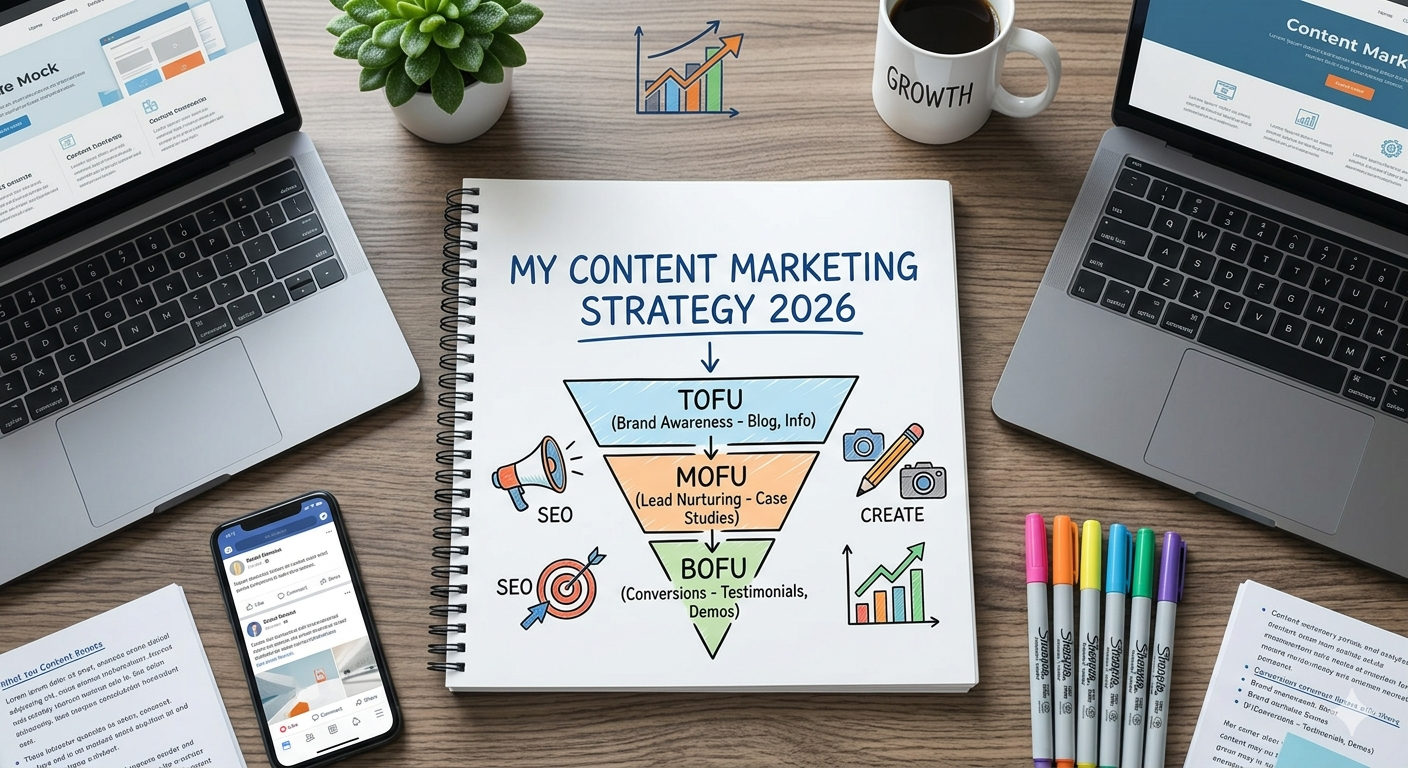
To make your content marketing strategy effective, you must visualize the journey your customer takes. This is where the content funnel, a framework that categorizes content based on the user’s stage in the buying process, becomes invaluable.
- Top of the Funnel (TOFU – Awareness): Here, you address broad questions. Your content marketing strategy at this stage should focus on educational blog posts and infographics that introduce your brand.
- Middle of the Funnel (MOFU – Consideration): Users are now comparing options. Use this part of the content funnel to provide case studies, webinars, and comparison guides.
- Bottom of the Funnel (BOFU – Decision): This is where the sale happens. Your content marketing strategy should culminate in product demos, testimonials, and free trials.
By mastering the content funnel, you ensure that you aren’t just attracting visitors, but actively nurturing them toward a conversion.
Content Creation Tips for High-Quality Output
Creating 1,500+ words of “fluff” won’t help you rank. To achieve excellence, you need actionable content creation tips that focus on E-E-A-T (Experience, Expertise, Authoritativeness, and Trustworthiness).
- Prioritize Semantic Search: Use LSI keywords like “digital marketing,” “audience engagement,” and “content distribution” to help AI search engines understand the context of your content marketing strategy.
- Write for Humans First: While SEO is vital, the “human-written style” involves using a conversational tone, personal anecdotes, and varying sentence structures.
- Use Visual Storytelling: One of the best content creation tips is to break up large blocks of text with custom charts or videos that summarize your content marketing strategy for skim-readers.
Leveraging AEO and GEO in Your Content Marketing Strategy
As we move deeper into the era of AI-driven search, your content marketing strategy must adapt to how Large Language Models (LLMs) interpret data. This is the core of Generative Engine Optimization (GEO).
To optimize for AEO (Answer Engine Optimization), focus on providing “nuggets” of high-value information. Use clear headings and bullet points.
When an AI scans your content marketing strategy guide, it should easily find direct answers to common user queries. This increases the likelihood of your content being cited as the primary source in AI-generated overviews and voice search results.
Step-by-Step Guide to Implementing Your Strategy
Executing a content marketing strategy requires a disciplined approach. Follow these steps to ensure nothing falls through the cracks:
1. Audit Your Existing Content
Before looking forward, look back. Determine which pieces of your current content funnel are performing well and which need a refresh.
2. Define Key Performance Indicators (KPIs)
A content marketing strategy without metrics is just a hobby. Track organic traffic, bounce rates, and lead conversion numbers to measure success.
3. Build a Content Calendar
Consistency is the heartbeat of any content marketing strategy. Plan your topics at least three months in advance, ensuring a healthy mix of TOFU, MOFU, and BOFU content.
4. Optimize for Distribution
Don’t just hit publish and hope for the best. Part of a modern content marketing strategy involves active distribution through email newsletters, LinkedIn, and niche communities.
Technical SEO: The Foundation of Content Rank
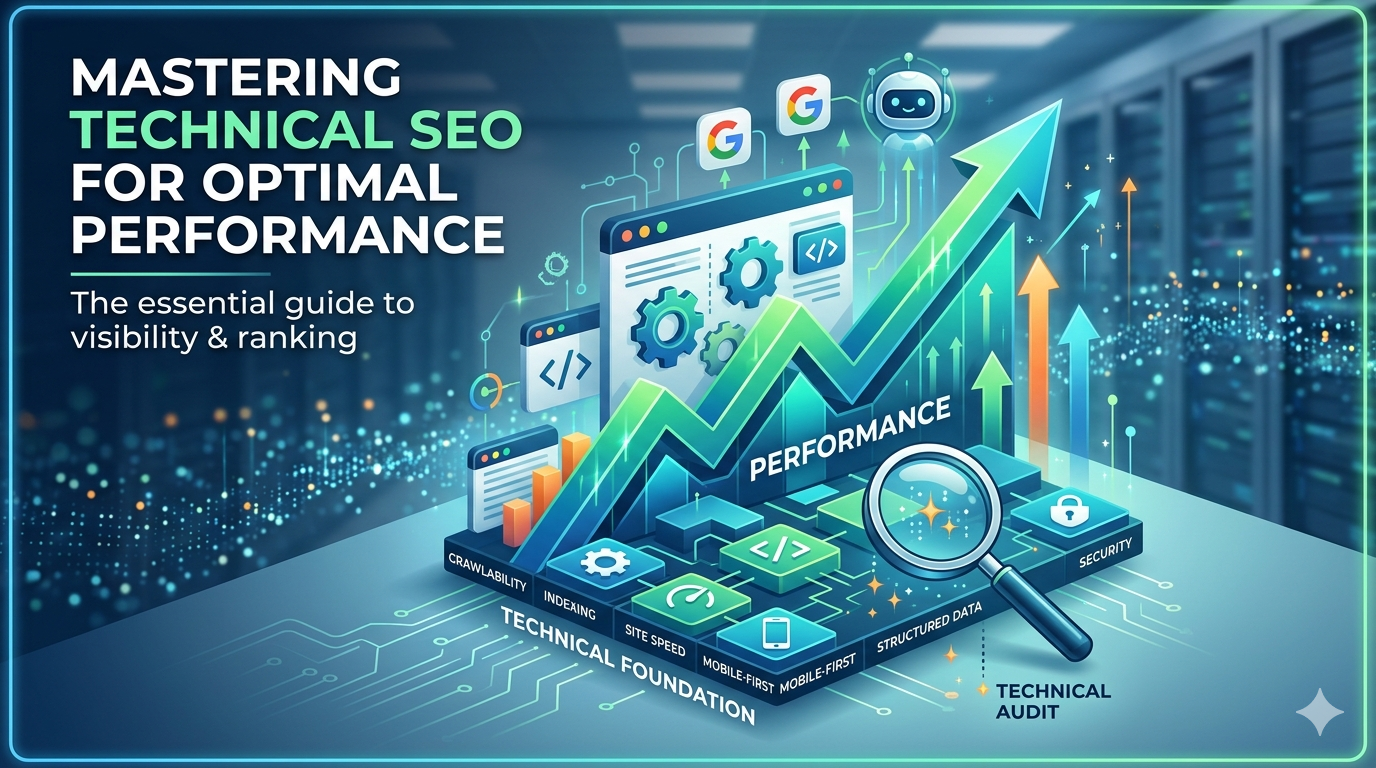
Your content marketing strategy will fail if search engines can’t crawl your site. Ensure your technical SEO is airtight:
- Mobile-First Design: Most users will access your content marketing strategy guide via mobile.
- Page Speed: Optimize images to ensure fast loading times.
- Internal Linking: Link your new posts back to your core content funnel pages to pass on “link juice.”
By combining technical precision with high-quality content creation tips, you create a powerhouse of digital visibility.
Conclusion: The Future of Content Marketing
In conclusion, a robust content marketing strategy is a living document. It requires constant refinement, a deep understanding of the content funnel, and a commitment to the latest content creation tips.
As search engines become smarter, the value of authentic, well-structured, and deeply researched content only grows.
Start building your content marketing strategy today, and position your brand as the definitive answer in your industry.
Frequently Asked Questions (FAQs)
Q: How often should I update my content marketing strategy?
A: It is recommended to review your content marketing strategy every quarter. This allows you to pivot based on new search engine algorithm updates or shifts in audience behavior.
Q: What is the most important part of the content funnel?
A: While all stages are vital, the “Awareness” stage is the widest part of the content funnel. Without a strong TOFU approach in your content marketing strategy, you won’t have enough leads to nurture into the later stages.
Q: Can AI write my entire content marketing strategy?
A: AI is a powerful tool for research and ideation, but a “human-written style” is essential for building trust. Use AI to assist with content creation tips, but ensure a human editor oversees the final content marketing strategy to maintain brand voice.
Q: How does GEO differ from traditional SEO?
A: Traditional SEO focuses on ranking in a list of links. GEO, a subset of a modern content marketing strategy, focuses on making your content “citeable” by AI models like Gemini and ChatGPT when they generate answers for users.
Read our other articles:
The Critical Importance of Brand Identity for Modern Business
Top 10 Effective Branding Strategies For Startups in 2026
Top 7 Web Development Trends 2026 You Must-Know
Custom Website vs Template? The Ultimate 2026 Guide
SEO for Small Businesses: The Ultimate 2026 Growth Guide
10 Best Social Media Marketing Tips for Small Businesses
10 Critical Digital Transformation Benefits for Growth
Scaling Businesses with Tech: The Ultimate 2026 Guide
10 Pro Tips to Choose the Best Web Development Company
Website Redesign Checklist: The Ultimate 2026 Guide
Custom Web Development vs WordPress: Which Is Better?
SEO for Beginners: The Ultimate 2026 Strategy Guide
10 Common Logo Design Mistakes to Avoid in 2026
10 Proven Email Marketing Tips to Boost Conversions
Master Your Digital Marketing Strategy: The 2026 Growth Playbook
The Ultimate On-Page SEO Checklist for 2026 Rankings
Website Speed Optimization: The 2026 SEO Growth Guide
The Ultimate Guide to Brand Identity Design in 2026