The digital landscape is a constantly shifting canvas, and staying ahead of the curve in web development is not just an advantage; it’s a necessity.
As we move closer to 2026, a new wave of web development trends 2026 is emerging, promising to reshape how we interact with the internet.
From the integration of artificial intelligence to new paradigms in user experience, understanding these shifts is crucial for developers, businesses, and anyone interested in the future of web development.
This article dives deep into the most impactful modern web technologies and practices that will define the web experience in the coming years.
Get ready to explore the innovations that are not just fads, but foundational changes.
The Ever-Evolving Web: Why Staying Updated Matters
The internet has transitioned from a static information repository to a dynamic, interactive, and often immersive experience. This evolution is driven by consumer demand for faster, more personalized, and more secure online interactions.
For developers, this means a continuous learning curve, embracing new tools and methodologies.
For businesses, it translates to the need for websites that are not only aesthetically pleasing but also technologically robust, offering seamless user journeys and competitive advantages.
Neglecting these latest web design practices can lead to outdated platforms, poor user engagement, and ultimately, lost opportunities.
Trend 1: AI and Machine Learning Integration – The Smart Web Takes Shape
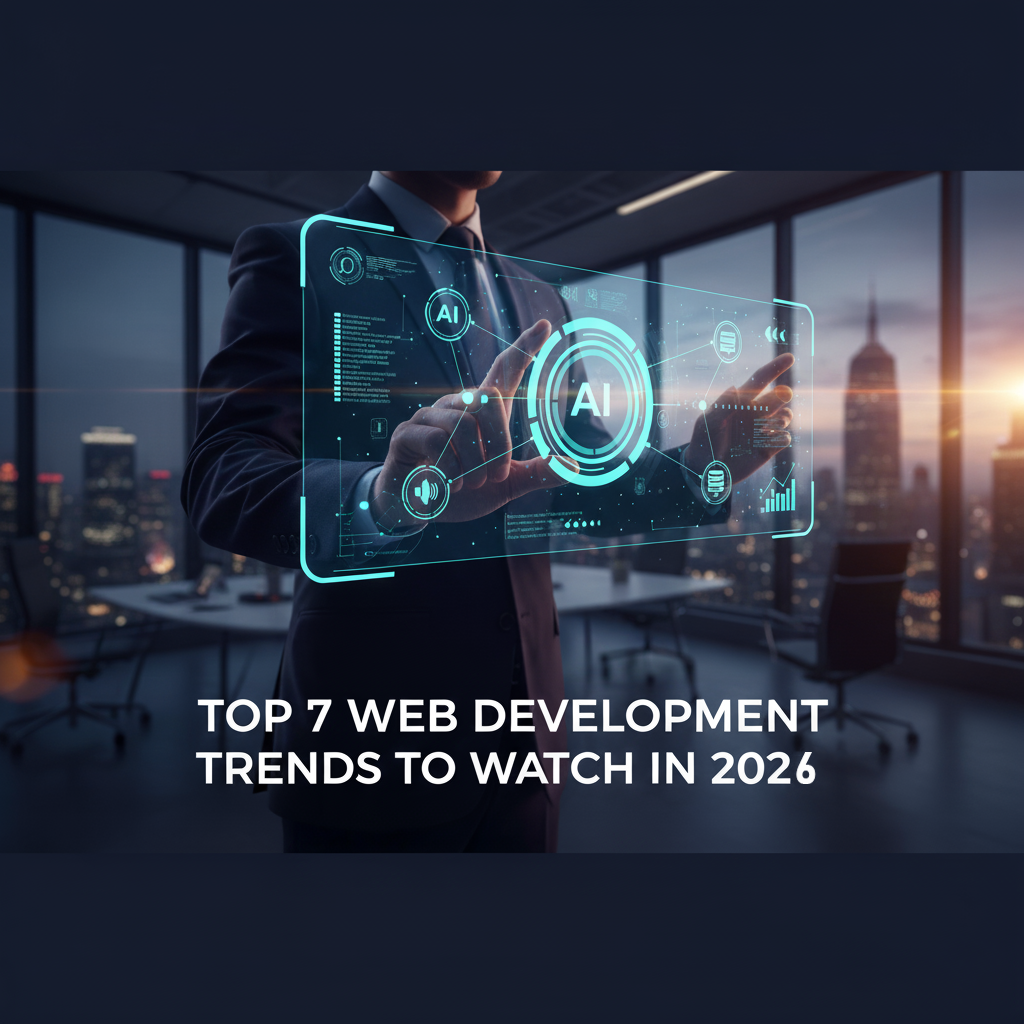
Artificial Intelligence (AI) and Machine Learning (ML) are no longer confined to sci-fi movies; they are becoming an intrinsic part of web development trends 2026.
From intelligent chatbots that offer personalized customer support to AI-driven analytics that optimize user experiences, the possibilities are vast.
How AI/ML will transform web development:
-
Personalized User Experiences: AI algorithms can analyze user behavior to deliver highly personalized content, product recommendations, and navigation paths. This leads to increased engagement and conversion rates.
-
Enhanced Security: AI can detect and mitigate cyber threats in real-time, offering a more secure browsing environment.
-
Automated Content Generation: AI tools can assist in generating dynamic content, optimizing SEO, and even crafting compelling ad copy.
-
Predictive Analytics: Businesses can leverage AI to predict future trends, user needs, and potential pain points, allowing for proactive development strategies.
The rise of AI in web development is about creating more intelligent, responsive, and intuitive web applications that can anticipate user needs and adapt accordingly.
Trend 2: Progressive Web Apps (PWAs) – Bridging the Gap Between Web and Native
Progressive Web Apps (PWAs) have been gaining traction for years, and by 2026, they are expected to become a standard.
PWAs offer a best-of-both-worlds scenario, combining the reach of the web with the rich features of native mobile applications.
Key advantages of PWAs:
-
Offline Capability: Users can access content and functionality even without an internet connection.
-
Native App-Like Experience: PWAs can be installed on a device’s home screen, send push notifications, and access device hardware.
-
Faster Loading Times: Optimized performance ensures quicker access and a smoother user experience.
-
Cost-Effective Development: A single codebase can serve multiple platforms, reducing development time and costs.
For businesses aiming for broader reach and improved user engagement without the overhead of native app development, PWAs represent a significant modern web technology to adopt.
Trend 3: Voice User Interface (VUI) and Conversational UI – Talking to the Web
The proliferation of smart speakers and voice assistants means that Voice User Interface (VUI) and Conversational UI are poised to become critical components of web development trends 2026.
Users are increasingly comfortable interacting with technology through voice commands, making voice search optimization and conversational interfaces essential.
Impact on web development:
-
Voice Search Optimization: Websites need to be optimized for natural language queries, moving beyond traditional keyword matching.
-
Conversational Chatbots: More sophisticated chatbots will offer natural, human-like conversations, enhancing customer service and user support.
-
Accessibility: VUIs can significantly improve accessibility for users with disabilities, making the web more inclusive.
Designing for voice requires a shift in thinking, focusing on context, intent, and natural language processing to create truly intuitive experiences.
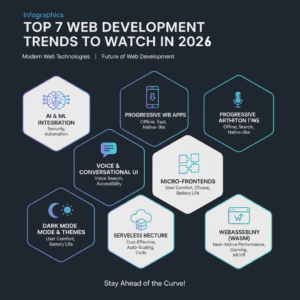
Trend 4: Micro-Frontends – Scalable and Agile Development
Inspired by the success of microservices in backend development, micro-frontends are emerging as a powerful architectural pattern for managing complex front-end applications.
This approach breaks down a large, monolithic frontend into smaller, independently deployable units.
Benefits of Micro-Frontends:
-
Improved Scalability: Teams can work on different parts of the application simultaneously, accelerating development.
-
Enhanced Agility: Faster deployment cycles and easier maintenance of individual components.
-
Technology Agnostic: Different teams can use different frameworks and libraries for their specific micro-frontends.
-
Better Maintainability: Isolating functionalities makes debugging and updates simpler.
Micro-frontends are a key enabler for large-scale enterprise applications, aligning with the need for agile and efficient modern web technologies.
Trend 5: Dark Mode and Personalized Theming – User Comfort and Choice
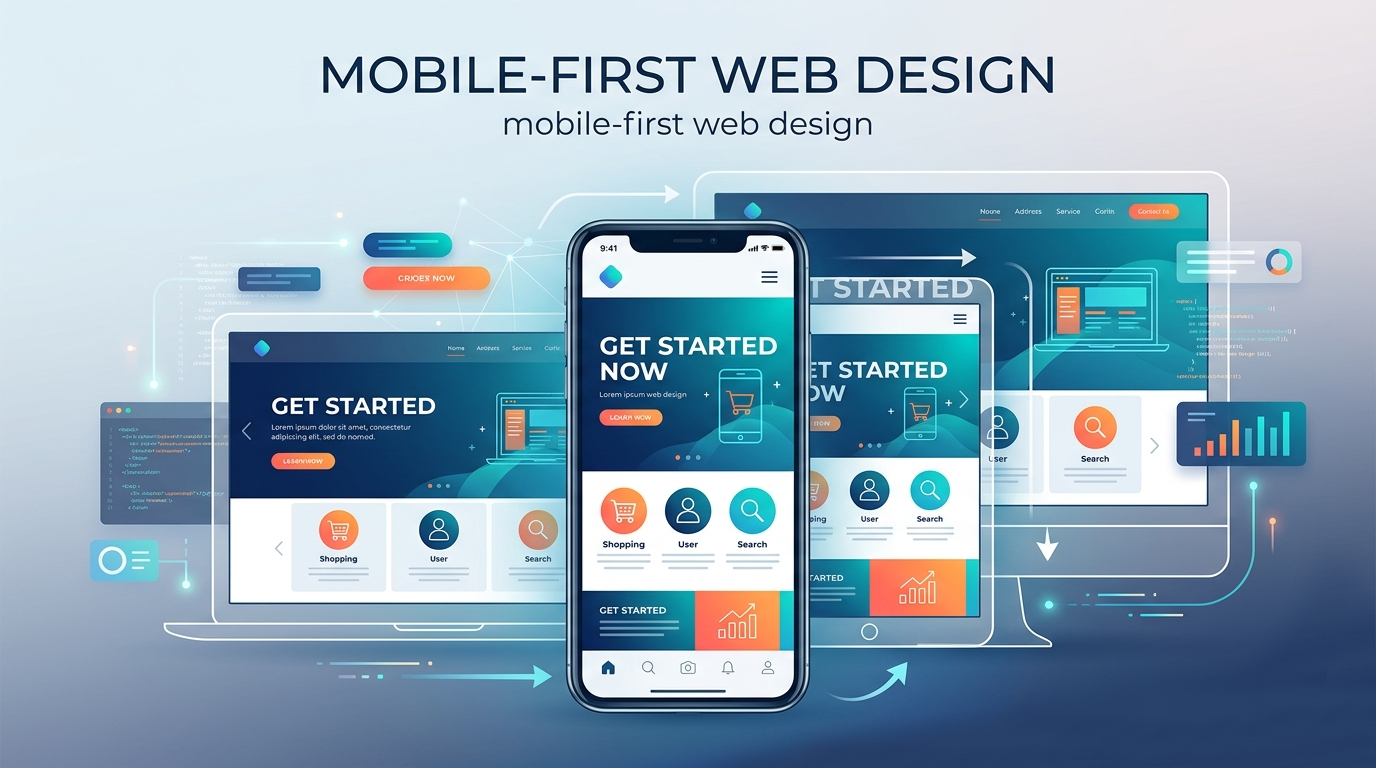
The Dark Mode and Personalized Theming options are still one of the best web development trends 2026. While not a new concept, the popularity of dark mode and personalized theming options will continue to grow as a significant responsive design trend.
Users appreciate the ability to customize their digital environment, and dark mode, in particular, offers benefits like reduced eye strain and improved battery life on OLED screens.
Why personalized theming matters:
-
Enhanced User Experience: Giving users control over their visual interface increases satisfaction.
-
Accessibility: Different themes can cater to various visual preferences and accessibility needs.
-
Brand Identity: The ability to offer branded themes creates a more immersive experience.
Implementing these features requires careful consideration of design systems and CSS best practices to ensure consistency and seamless transitions.
Trend 6: Serverless Architecture – Efficient and Scalable Backend Solutions
Serverless architecture allows developers to build and run applications without managing servers.
Cloud providers automatically handle the infrastructure, provisioning, and scaling, enabling developers to focus solely on writing code.
This is a game-changer for backend web development trends 2026.
Advantages of Serverless:
-
Reduced Operational Costs: Pay only for the compute resources consumed, eliminating idle server costs.
-
Automatic Scaling: Applications can automatically scale up or down based on demand, ensuring optimal performance.
-
Faster Development and Deployment: Developers can deploy code quickly without infrastructure concerns.
-
Increased Reliability: Cloud providers offer high availability and fault tolerance.
Serverless computing is a cornerstone of the efficient and scalable future of web development, particularly for event-driven architectures and microservices.
Trend 7: WebAssembly (Wasm) – Unleashing Near-Native Performance in Browsers
WebAssembly (Wasm) is a low-level bytecode format that allows code written in languages like C++, Rust, and Go to run in web browsers at near-native speeds.
This opens up a new realm of possibilities for complex web applications that require high performance.
Applications of WebAssembly:
-
High-Performance Gaming: Running graphically intensive games directly in the browser.
-
Video and Image Editing: Complex media manipulation without requiring plugins.
-
Scientific Simulations: Performing computationally heavy tasks client-side.
-
Augmented Reality (AR) and Virtual Reality (VR): Powering immersive experiences with minimal latency.
Wasm is a pivotal modern web technology that pushes the boundaries of what’s possible in a web browser, blurring the lines between web and desktop applications.
Navigating the Future: Preparing for 2026 and Beyond
Staying competitive in the fast-paced world of web development means proactively embracing these emerging trends.
For developers, this involves continuous learning, experimenting with new frameworks, and understanding the underlying principles of these technologies.
For businesses, it’s about investing in the right talent, prioritizing responsive and user-centric design, and leveraging these innovations to enhance their online presence.
The future of web development is exciting, offering unprecedented opportunities for innovation, efficiency, and creating truly immersive and intelligent digital experiences.
By keeping a keen eye on these web development trends 2026, you can ensure your projects and platforms are not just current but truly future-proof.
Read our other articles:
The Critical Importance of Brand Identity for Modern Business
Top 10 Effective Branding Strategies For Startups in 2026
Top 7 Web Development Trends 2026 You Must-Know
Custom Website vs Template? The Ultimate 2026 Guide
SEO for Small Businesses: The Ultimate 2026 Growth Guide